Famous gamblers What drives their risky choices
The Psychology of Gambling
At the heart of gambling lies a complex psychological landscape that draws individuals into the world of risk-taking. The thrill of anticipation can be intoxicating, creating a rush that many gamblers find hard to resist. Neurotransmitters like dopamine are released during these high-stakes moments, offering a euphoric feeling that can become addictive. This biochemical response can explain why famous gamblers are often driven to take more risks, even in the face of potential losses. For those new to the scene, understanding casino etiquette for newcomers can significantly enhance their experience.
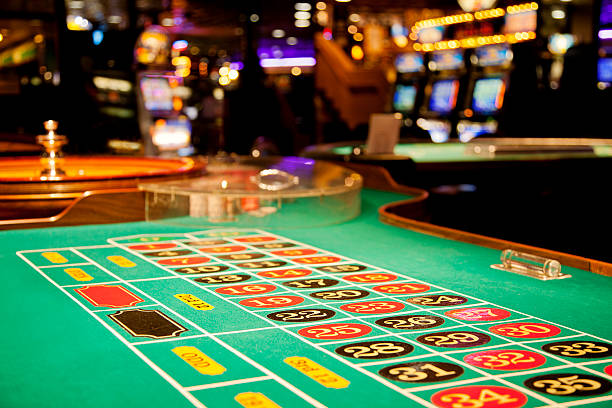
Moreover, cognitive biases play a significant role in the decision-making processes of gamblers. The illusion of control, for example, leads individuals to believe they can influence random events, such as dice rolls or card draws. This fallacy can result in repeated risky choices, despite evidence suggesting the odds are not in their favor. For famous gamblers, who often have considerable resources at their disposal, the stakes can escalate rapidly, fueling a cycle of high-risk behavior.
Social dynamics also contribute to this phenomenon. Many famous gamblers thrive on the status and recognition that accompany their risky choices. The competitive nature of gambling can foster a sense of camaraderie and rivalry, pushing individuals to take greater risks to outperform their peers. This social validation can further compound the psychological urges to gamble, making it a multifaceted experience that combines personal gratification with social influences.
Notable Gamblers and Their Stories
One of the most renowned figures in the gambling world is Edward Thorp, who revolutionized card counting in blackjack. His scientific approach to gambling led to enormous wins at casinos, reshaping the landscape of gambling strategy. Thorp’s story illustrates how intellect and calculated risk can lead to success in an otherwise unpredictable environment. His decisions were driven not just by the thrill of winning but by a deep understanding of probabilities and the mathematics behind the games.
Another famous gambler, Phil Ivey, often regarded as one of the best poker players of all time, showcases a different aspect of risk-taking. His ability to read opponents and make bold bets has earned him millions, but it has also led to significant controversies, including legal battles with casinos. Ivey’s choices stem from his profound understanding of human behavior and psychology, allowing him to leverage his skills in ways that others cannot. This risk-reward balance makes his story particularly compelling.
Finally, the tale of Archie Karas, known for the longest winning streak in gambling history, epitomizes the double-edged sword of high-risk choices. Starting with a mere $50,000, he turned it into $40 million within a span of a few years, only to lose it all. Karas’s story serves as a cautionary tale about the transient nature of fortune and the psychological factors that can lead even the most successful gamblers to make reckless choices. His journey highlights the precarious balance between confidence and overreach.
The Impact of Environment on Gambling Choices
The environment in which gambling occurs plays a crucial role in influencing decision-making. Factors such as the ambiance of a casino, the presence of other gamblers, and even the sounds of winning machines contribute to the overall experience. In a high-energy casino, the thrill can create a contagious excitement, encouraging individuals to make bolder choices. Famous gamblers often thrive in such environments, where adrenaline can fuel their decision-making process.
Additionally, the availability of high-stakes games attracts a certain demographic of gamblers who are willing to risk larger sums. The allure of high rewards can overshadow the potential dangers, leading to an escalation in risky behavior. Famous gamblers, often surrounded by wealth and success, may feel pressure to maintain their status by engaging in increasingly dangerous bets. This environmental influence can transform a simple game into a high-stakes battleground.
Furthermore, modern technology has expanded gambling environments beyond traditional casinos. Online platforms, like https://spinboss-ie.com/, offer anonymity and accessibility, which can further embolden risky choices. Gamblers may feel less inhibited when placing bets in the comfort of their homes, leading to impulsive decisions. This shift highlights the need for awareness and responsible gambling practices, especially for those who are easily swayed by the conveniences of digital gambling.
The Role of Luck and Skill in Gambling
The interplay between luck and skill is a fundamental aspect of gambling that drives many famous gamblers to take risks. While games like poker heavily rely on skill and strategy, others like roulette are governed more by chance. This dichotomy creates a fascinating dynamic where some gamblers choose to rely on their abilities, while others embrace the randomness of luck. For many, the element of unpredictability adds to the allure, creating a compelling reason to engage in high-risk activities.
Famous gamblers often navigate this delicate balance with a keen sense of timing and intuition. Successful players know when to leverage their skills and when to ride the wave of luck. This understanding can lead to monumental wins but also devastating losses. For instance, a gambler who has mastered the art of bluffing in poker can manipulate the game in their favor, but overconfidence can lead to poor decisions, resulting in financial ruin.
Moreover, the psychological aspect of believing in one’s luck can significantly influence behavior. Many gamblers develop superstitions or rituals, such as wearing lucky clothing or following certain routines, to improve their chances. These beliefs can lead to a cycle of risk-taking that defies logical reasoning. Understanding this relationship between luck, skill, and psychological factors is crucial for grasping what drives famous gamblers to make bold choices.

Exploring Online Gambling Platforms
In today’s digital age, online gambling platforms have redefined the way people engage with gambling. Sites like SpinBoss Casino provide players with a diverse selection of games that cater to various preferences, from slots to live dealer experiences. This accessibility opens up opportunities for both casual players and serious gamblers alike. The allure of instant gratification and the potential for high returns can make online gambling an appealing choice for many.
Moreover, the competitive nature of online gambling environments mirrors that of traditional casinos, often intensifying the thrill. The integration of social features, such as leaderboards and multiplayer games, can drive players to take greater risks in pursuit of status and rewards. This digital community aspect enhances the gambling experience, motivating individuals to engage in higher-stakes games than they might in isolation.
Security is paramount in the online gambling world, with reputable platforms prioritizing player protection through robust measures. Sites like SpinBoss Casino utilize SSL encryption and KYC checks to ensure a safe gambling environment. This focus on security not only builds trust with players but also encourages them to explore new games and betting strategies without fear. As technology evolves, the intersection of risk and reward in online gambling continues to captivate players worldwide.